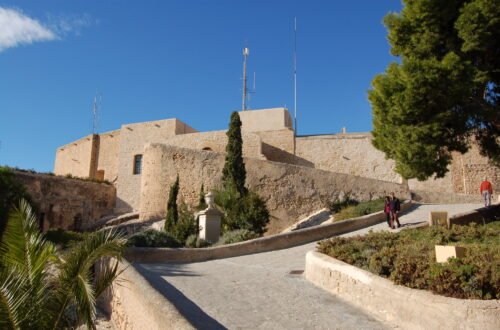
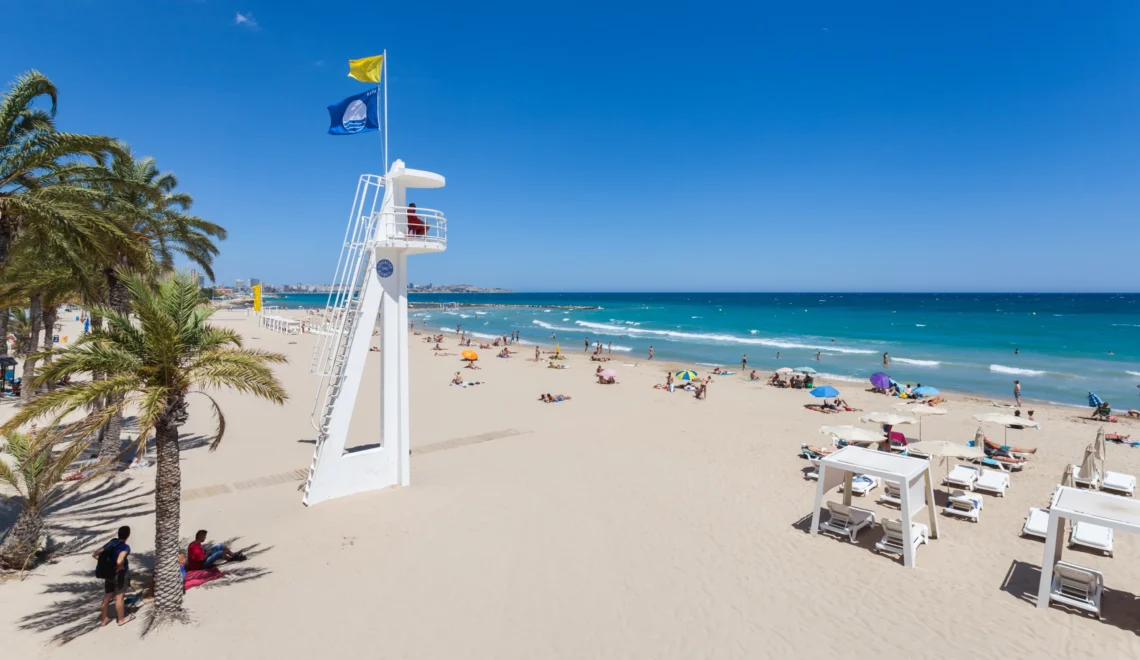
Alicante, the Costa Blanca of Spain
The name Costa Blanca, meaning “White Coast”, is closely associated with the province of Alicante on Spain’s southeastern Mediterranean shoreline. Far more than a simple poetic label, the name reflects a combination of natural landscapes, historical trade routes, architecture, and climate that together shaped the region’s identity over centuries.
Understanding why Alicante is called Costa Blanca reveals the deep connection between the land, the sea, and the cultures that have lived here.
The Meaning of “Costa Blanca”
“Costa Blanca” directly translates from Spanish as “White Coast.”
The name refers to the bright, luminous appearance of Alicante’s coastline, which stands out when viewed from the sea or surrounding hills.
This whiteness is not symbolic alone—it has strong geographical, environmental, and historical roots.
1. The White Sandy Beaches
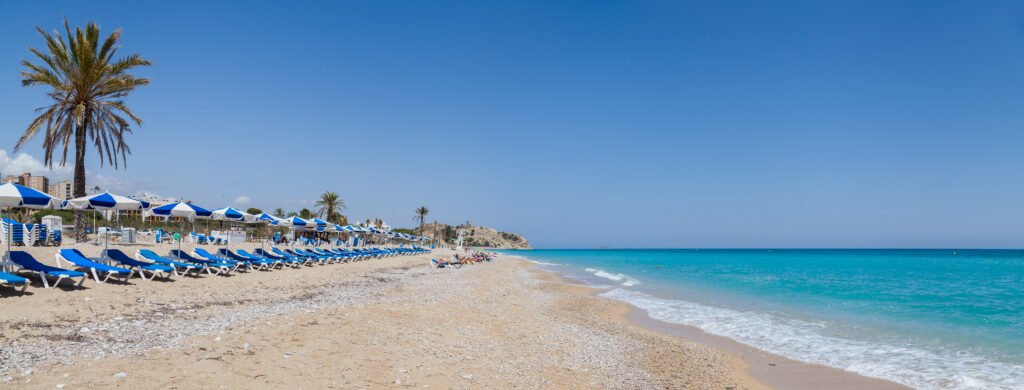
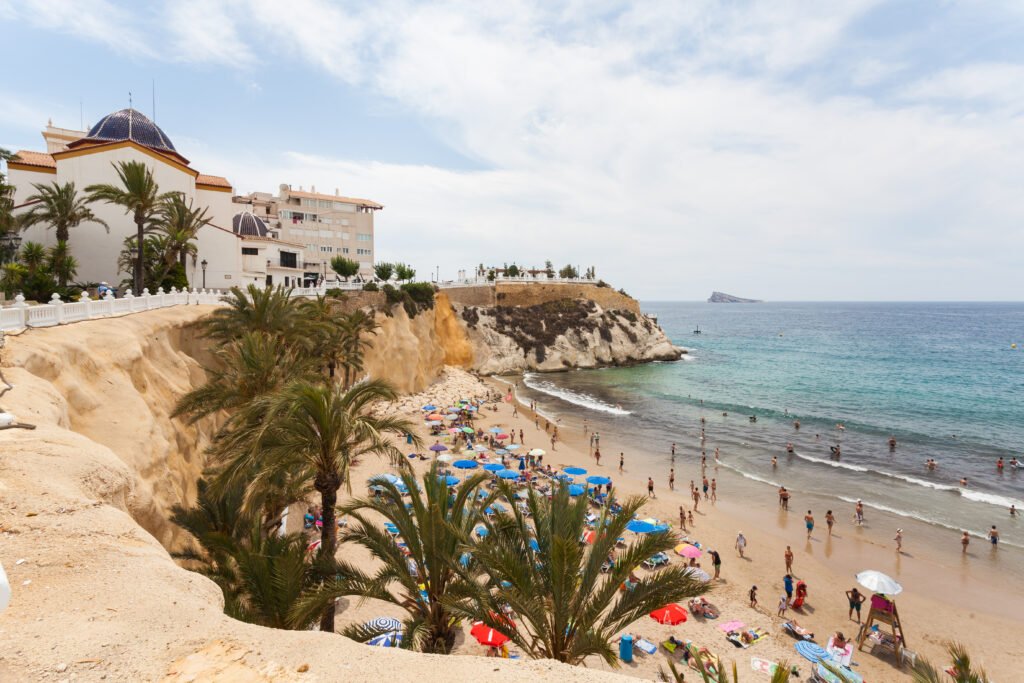
One of the most widely accepted reasons behind the name Costa Blanca is the abundance of pale, fine sand beaches along Alicante’s coast.
Key Characteristics:
- Light-colored sand reflects sunlight intensely
- Beaches appear almost white under Mediterranean sun
- Long stretches of coastline maintain this natural brightness
Famous beaches such as San Juan, Guardamar, Calpe, and Playa del Postiguet all contribute to this striking visual effect that gave sailors and travelers a clear landmark from afar.
2. The Whitewashed Architecture
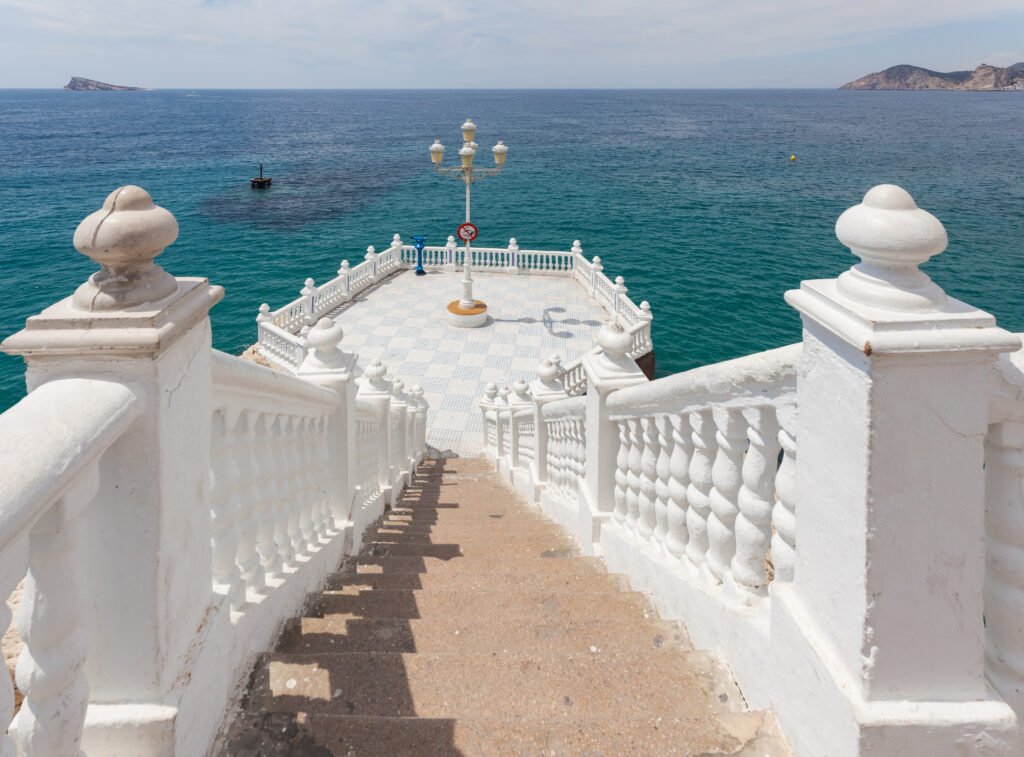
Traditional whitewashed buildings across Alicante’s coastal towns also played a major role in shaping the region’s name.
Why buildings were white:
- Lime-based whitewash reflects heat
- Helps keep interiors cool in hot summers
- Protects walls from humidity and salt air
From historic villages like Altea to old quarters in Alicante city, the white façades glowing under the sun reinforced the image of a “white coast.”
3. Light Reflection from the Mediterranean Sea
The Mediterranean Sea along Alicante’s shoreline is known for its clear, calm waters and high sunlight reflection.
Visual effect:
- Sunlight bounces off light sand and sea surface
- Creates a shimmering white-blue coastline
- Especially visible from ships approaching the coast
For ancient sailors and merchants, this bright coastline served as a natural navigation reference, further cementing the name.
4. Limestone Cliffs and Coastal Geography
Much of Alicante’s coastline features limestone cliffs, rocky coves, and pale stone formations.
Notable areas include:
- Cabo de las Huertas
- Serra Gelada
- Calpe’s Peñón de Ifach
These natural rock formations, often light in color, contribute to the region’s consistently pale coastal appearance.
5. Historical and Maritime Influence
The term Costa Blanca gained broader recognition in the 20th century, but its roots trace back much further.
- Phoenicians, Romans, and Moors navigated this coast
- Bright coastal visibility made it easier to identify land
- The coast was seen as “white” compared to darker, rockier shorelines elsewhere
By the mid-1900s, the name was officially adopted to describe Alicante’s coastline, aligning historical perception with modern identity.
6. Tourism Branding and International Recognition
In the 1950s and 1960s, Spain began promoting its coastal regions internationally. Alicante’s coastline was branded as Costa Blanca to highlight:
- Sun-drenched beaches
- Clean, luminous landscapes
- Mediterranean lifestyle
The name quickly became synonymous with quality tourism, relaxation, and natural beauty, helping Alicante gain global recognition.
7. Climate and Sunlight Advantage
Alicante enjoys:
- Over 300 sunny days per year
- Mild winters and bright summers
- Low rainfall and clear skies
This climate enhances the coastal brightness year-round, making the “white” appearance a constant visual feature, not just a seasonal one.
8. Cultural and Symbolic Meaning
Beyond physical elements, Costa Blanca also represents:
- Purity and clarity of the landscape
- A peaceful Mediterranean way of life
- Harmony between nature and architecture
The name has become a cultural identity, not just a geographic description.
Conclusion
Alicante is called Costa Blanca because of a unique combination of white sandy beaches, sun-washed architecture, reflective Mediterranean waters, pale limestone cliffs, and an exceptionally bright climate. Over centuries, these features created a coastline that quite literally appeared white—especially to those arriving by sea.
Today, Costa Blanca is more than a name. It represents Alicante’s natural beauty, historical legacy, and Mediterranean charm, making it one of Spain’s most recognizable and beloved coastal regions.